Plus3 South Korea
A two-week study abroad program exploring the intersection of technology, culture, and global business in Seoul.
Skills
- Leadership
- Team Management
- Cross-cultural Collaboration
- Technical Communication
Companies Visited
- Samsung
- HY Fredit (Yakult)
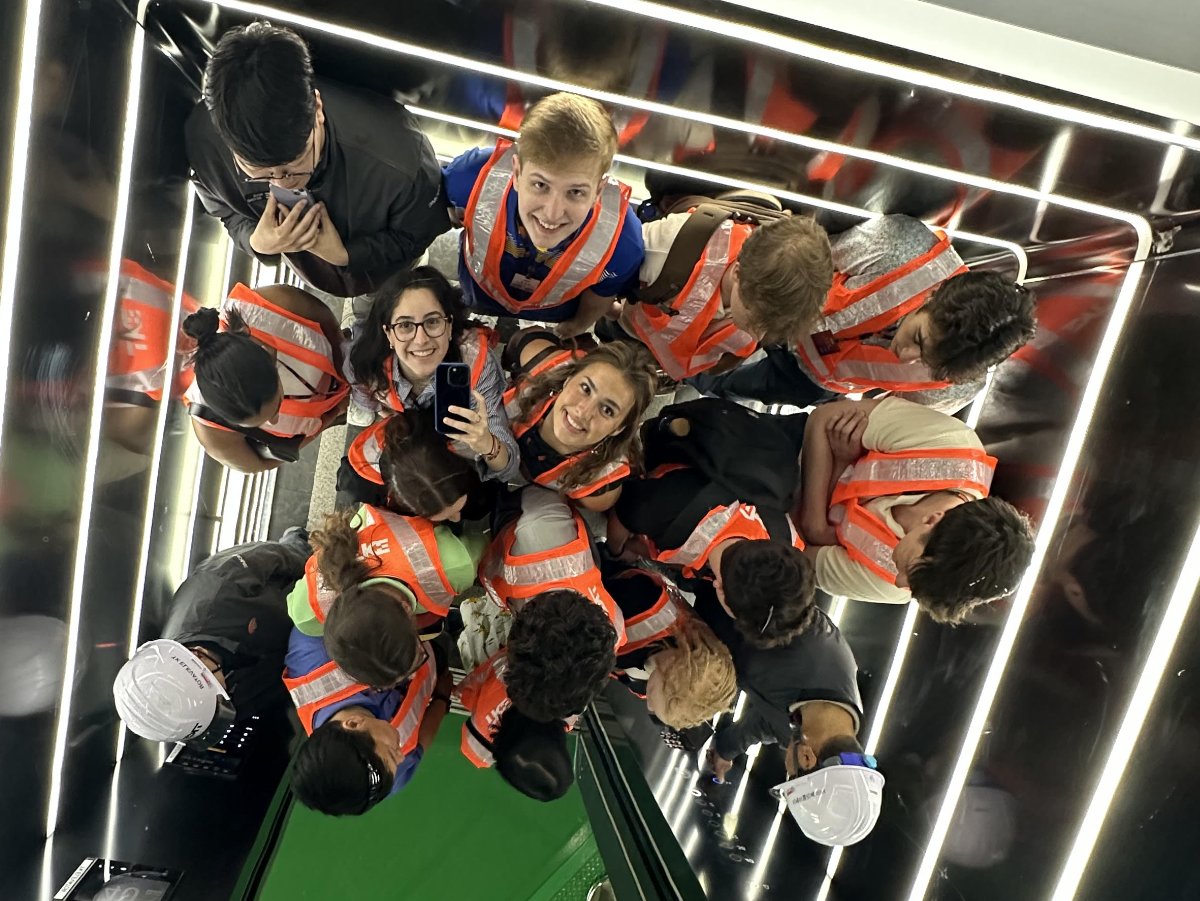
- TK Elevators
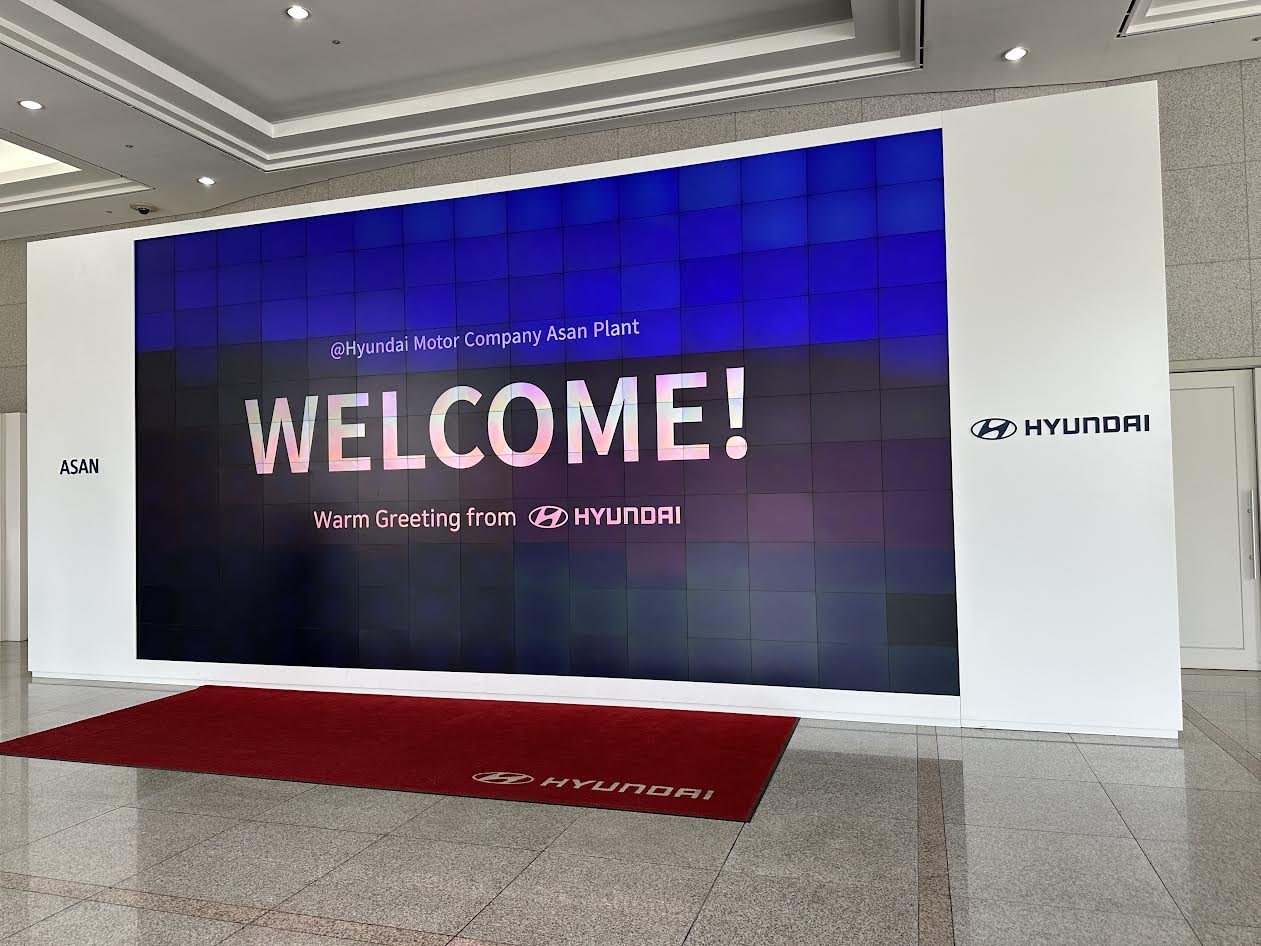
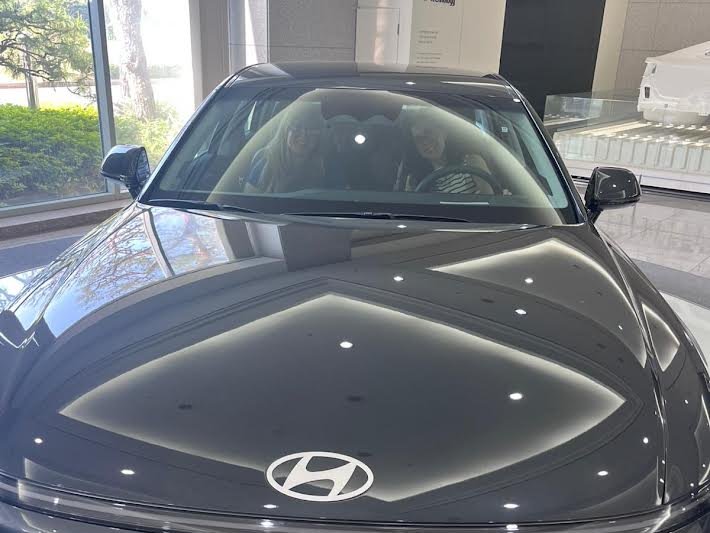
- Hyundai
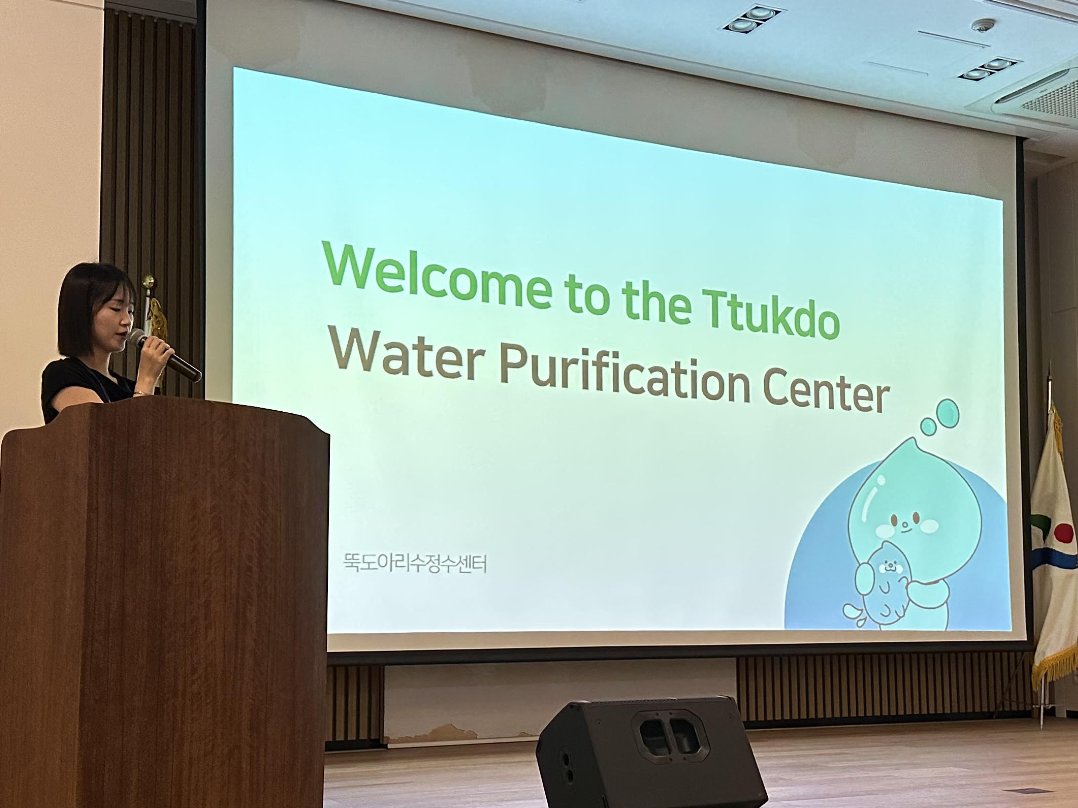
- Arisu Water Purification
- Camp Casey
Program Overview
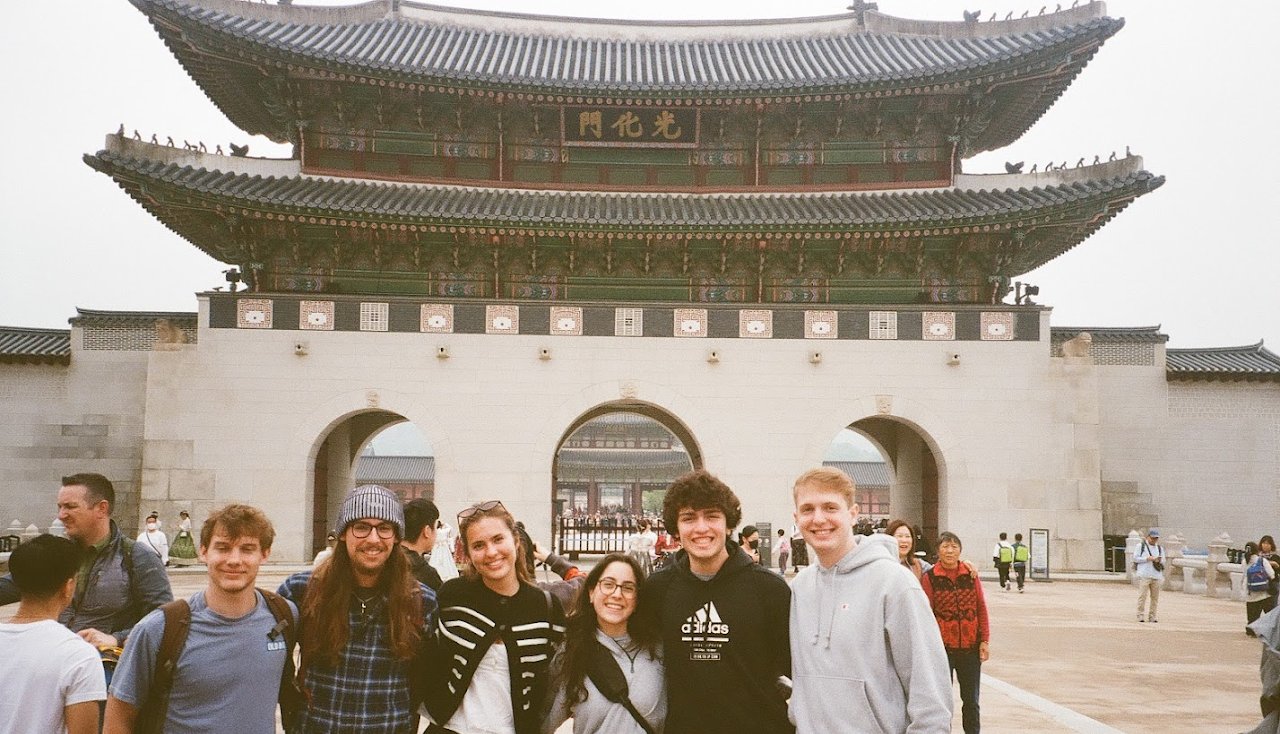
Plus3 South Korea is a two-week study abroad program through the University of Pittsburgh Frederick Honors College that brings together engineering and business students to explore the intersection of technology, culture, and global business. Throughout the program, I participated in company visits to Korean technology companies including Samsung, HY Freddit, TK Elevators, Hyundai, Camp Casey, and Arisu Water Purification. Outside of our scheduled company tours, we visited many culturally and historically significant landmarks.
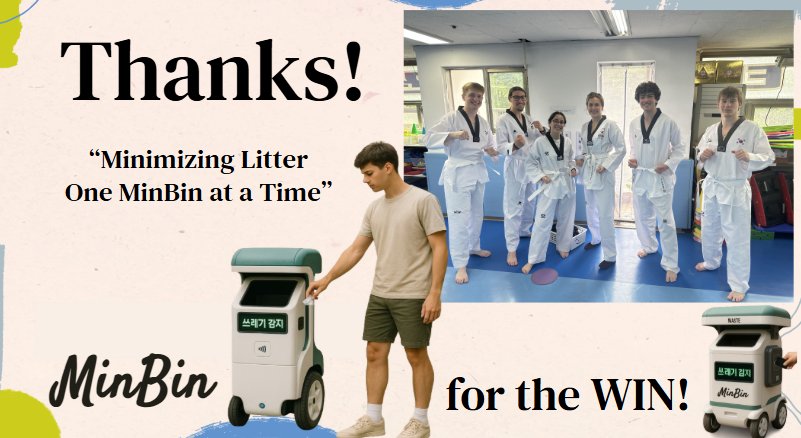
As team leader, I led my group of six peers to create our final project deliverables: a video recap of our trip experience and a presentation showcasing the smart system solution we designed to tackle the lack of trashcans in Seoul. I coordinated our group meetings, played to everyone's strengths when assigning tasks, and made sure our final presentation clearly connected what we observed to our innovative tech solution.
Through my participation, I gained hands-on exposure to Korea's innovation-driven economy while strengthening skills in teamwork, leadership, and cross-cultural collaboration. I am so thankful to have this experience studying abroad!
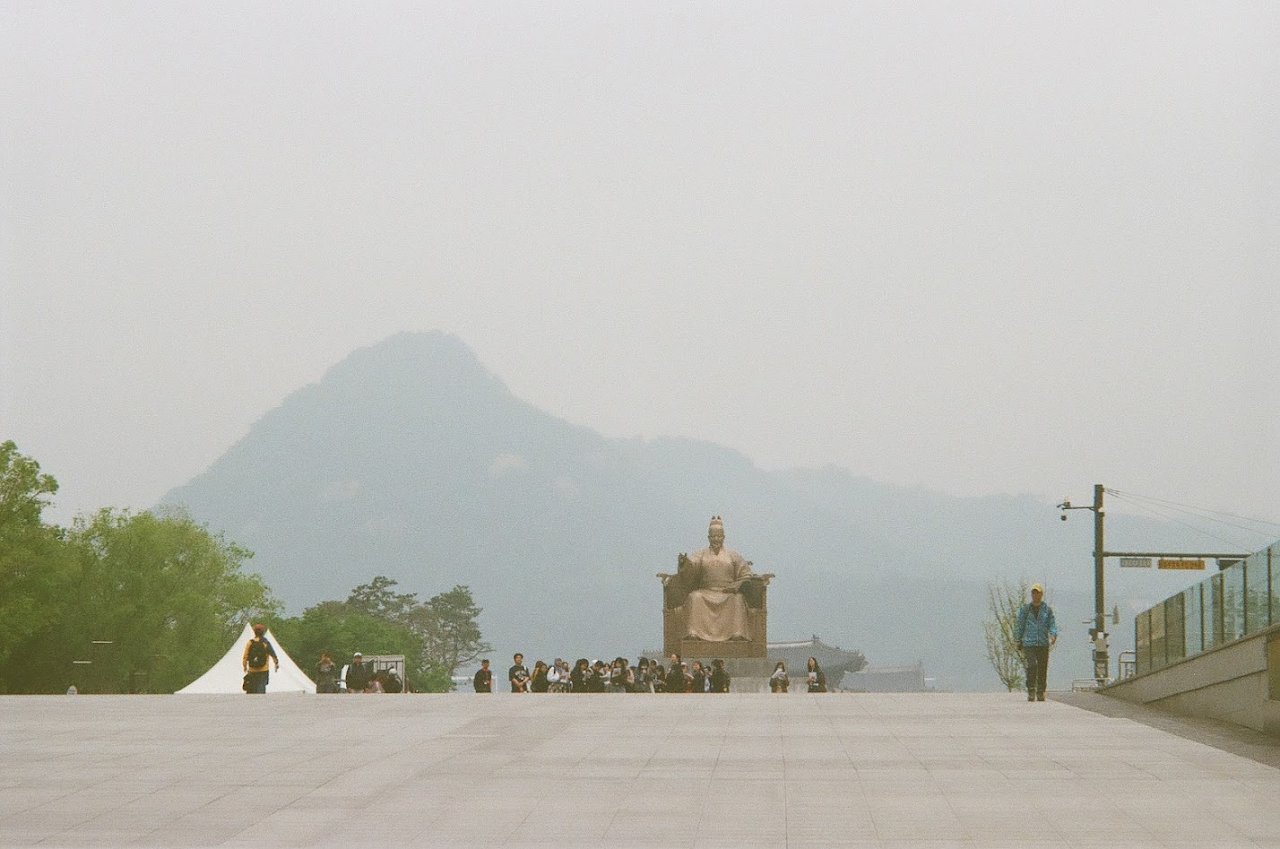
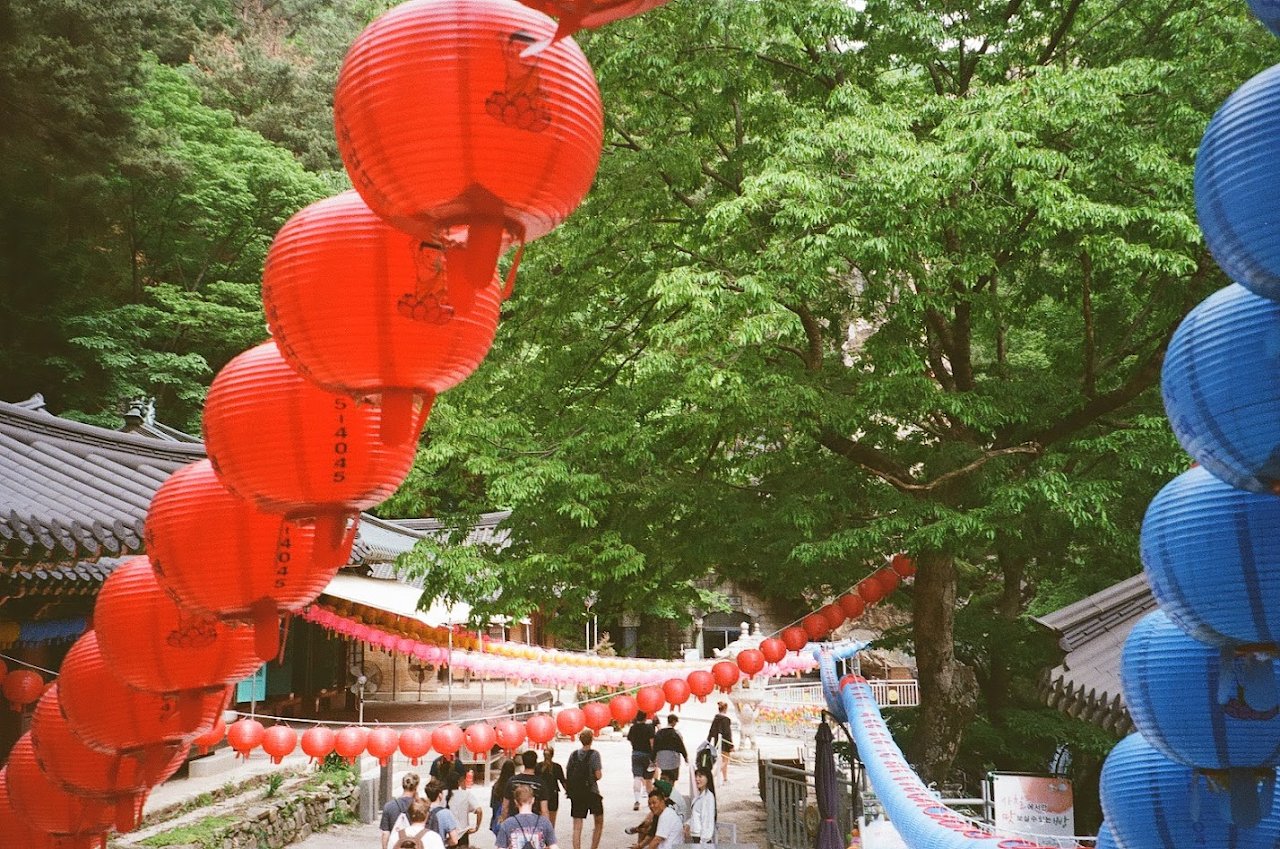
Note: As you scroll down and learn more about my trip to Korea, you will see various photos. If they have an asterisk next to it (*), that means I took it on my film camera!
Company Visit Takeaways
During my Plus3 program in Korea, the two company visits that I enjoyed most were Yakult (HY Fredit) and Samsung. Both of these tours shaped how I think about engineering, smart technology, and human-centered design.
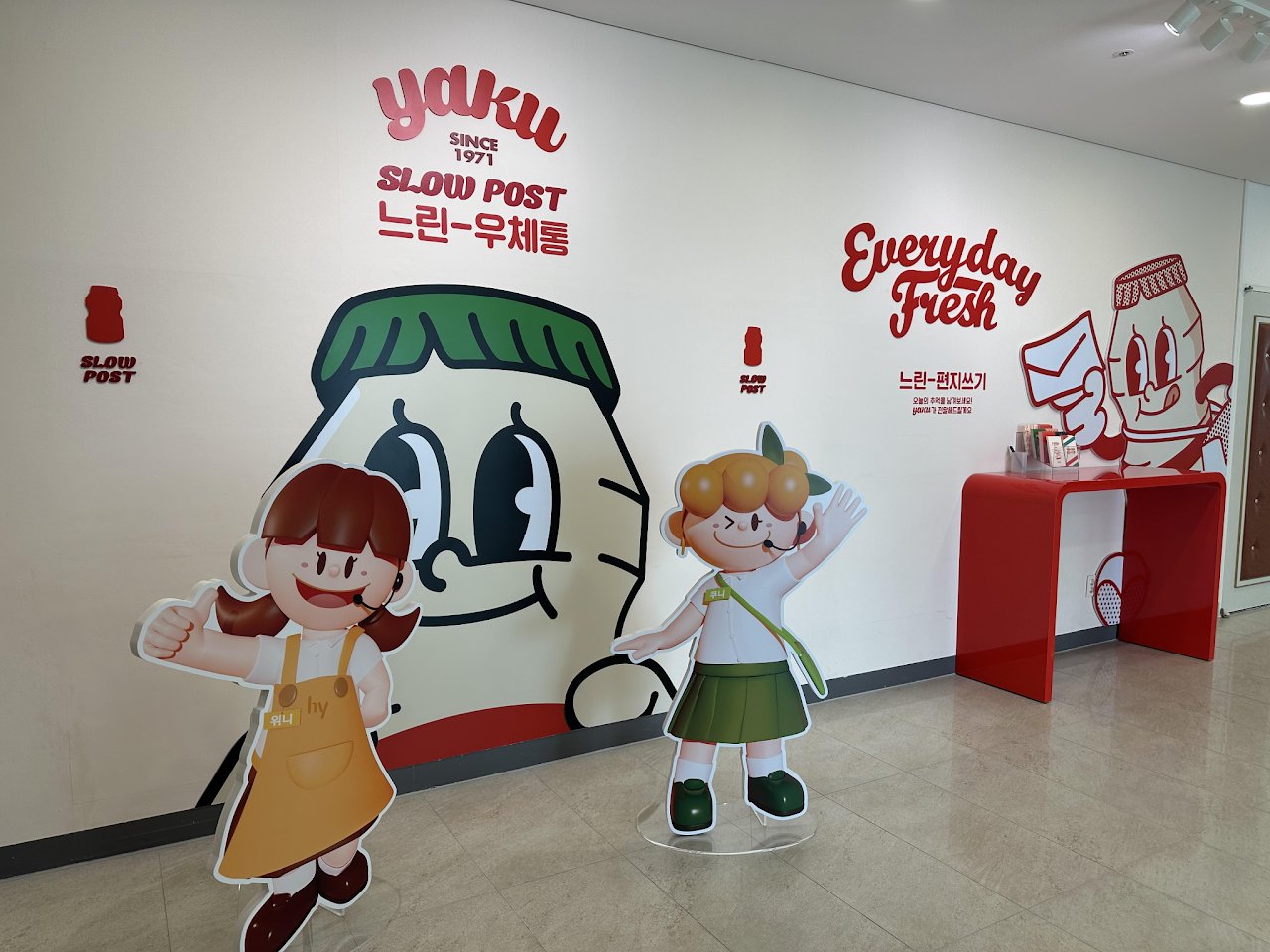
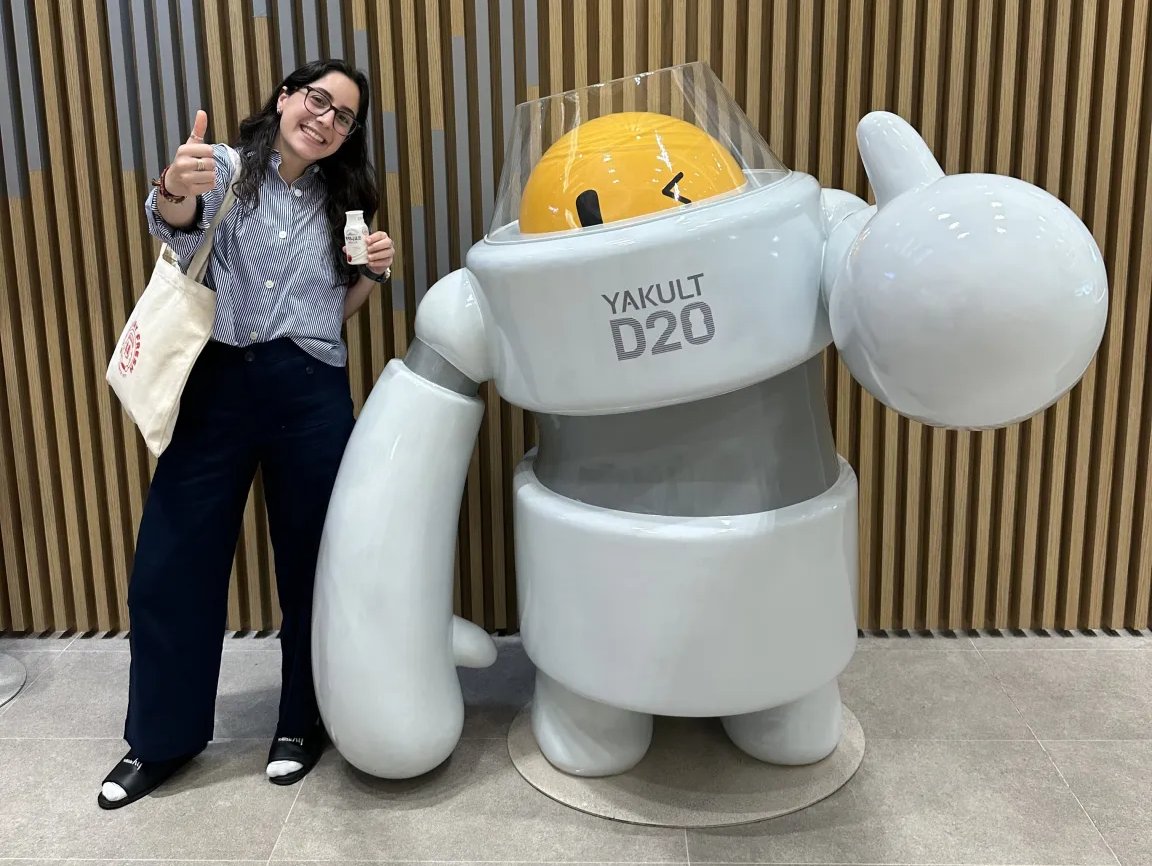
At the Yakult (HY Fredit) Factory, I loved watching the entire production process from ingredients to the final bottles. This was my first opportunity to understand and witness the engineering behind such a simple everyday product. I also became obsessed with Yakult afterward; my fridge has been stocked ever since. One of the coolest parts was learning about the Yakult Ladies, women who sell and deliver the drinks throughout neighborhoods. Rather than pushing heavy carts by hand, many now use electric motorized carts that help them move more efficiently and carry larger loads, almost like riding a small vehicle. From an engineering perspective, seeing how the production line operates alongside this evolving delivery system highlighted for me how automation and human work can coexist in thoughtful ways.
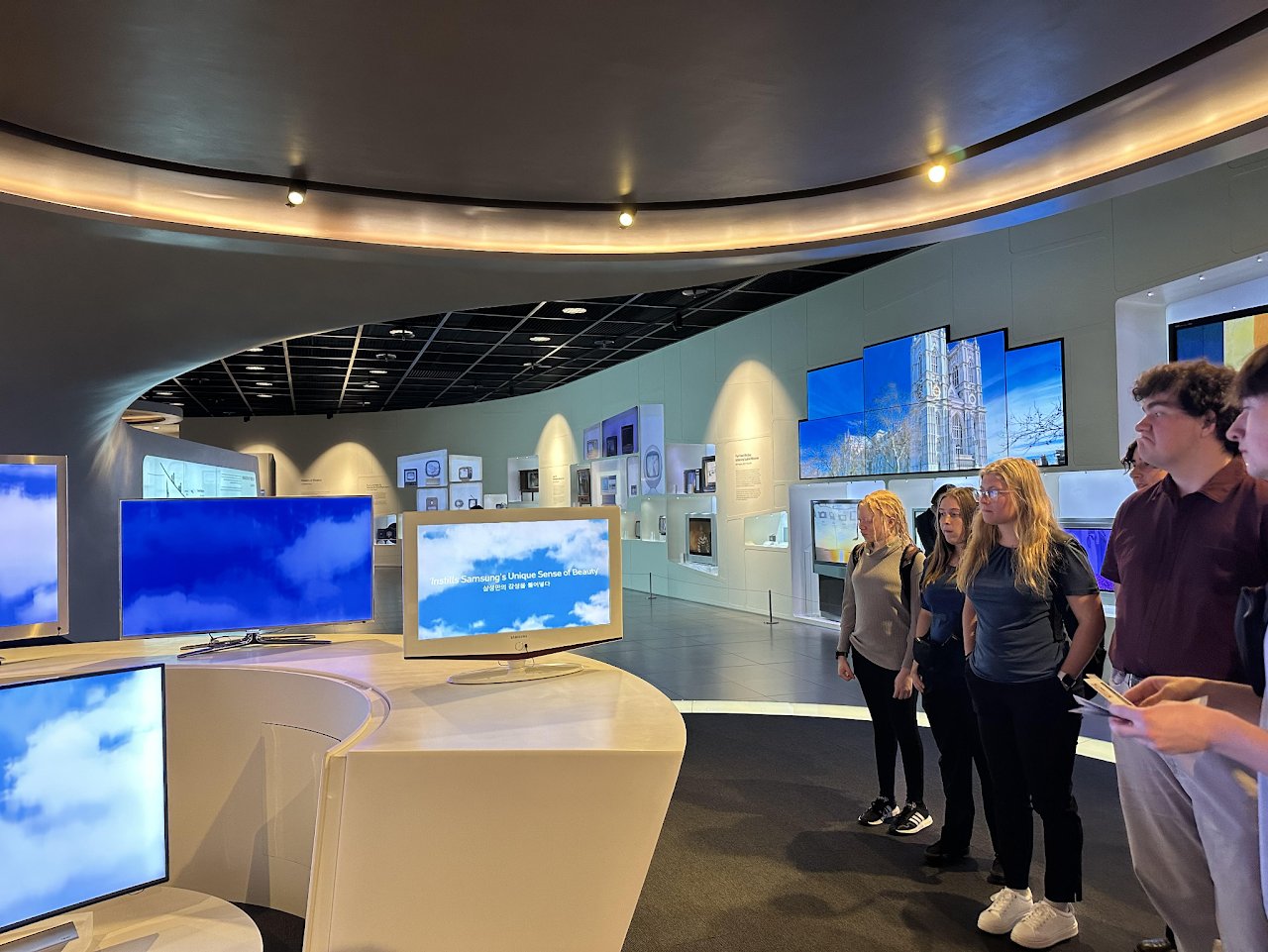
At Samsung's Smart Technology Tour, I saw how seamlessly devices could communicate: appliances adjusting automatically, centralized home control, and environments responsive to the user. Beyond the futuristic appeal, it immediately made me think about assistive technology. Many of these "smart" features mirror the support systems people with disabilities need for independence. Seeing this overlap sparked thoughts and ideas about integrating mainstream smart tech into accessible, dignified living spaces. This is exactly what I hope to do as an engineer in the future.
Together, these visits deepened my understanding of how smart technology and thoughtful design can enhance both convenience and human connection!
Cultural Visit Takeaways
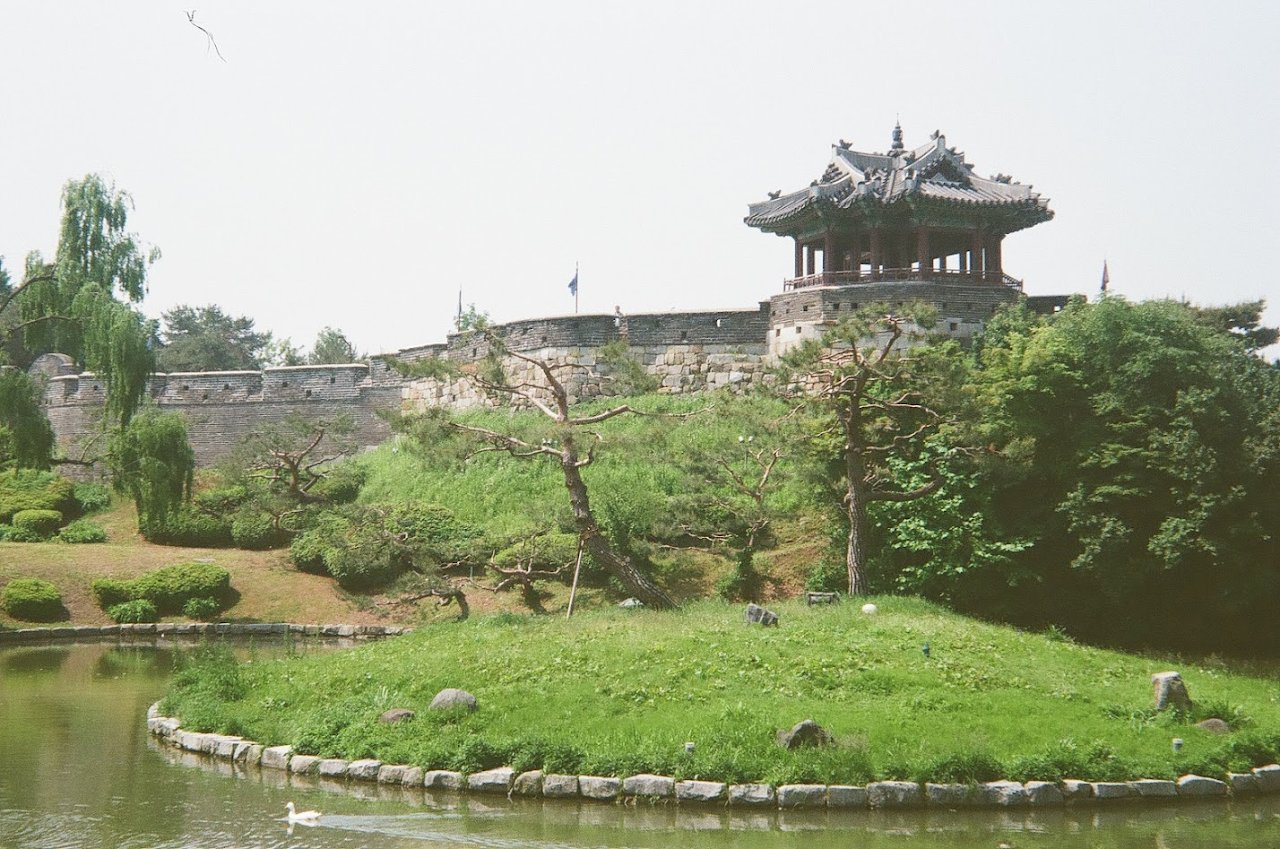
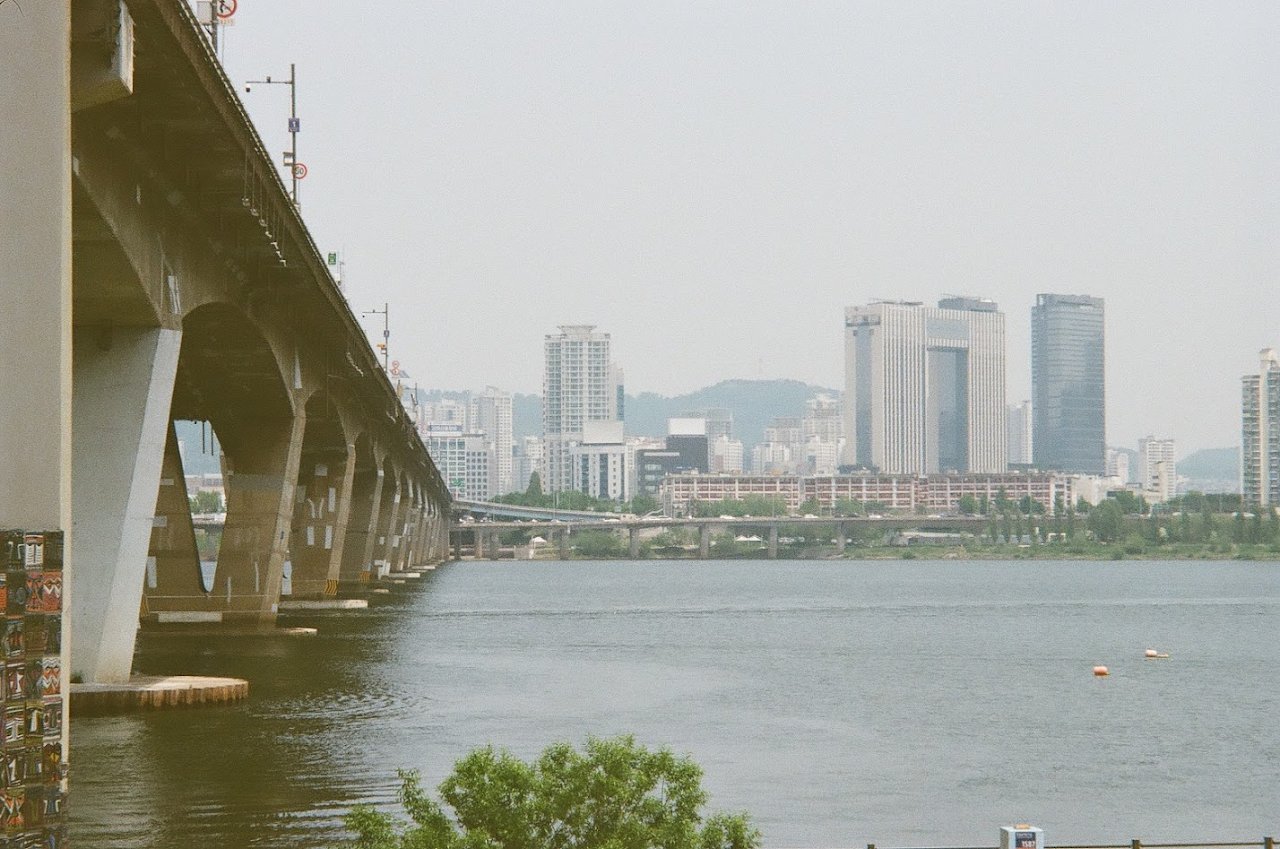
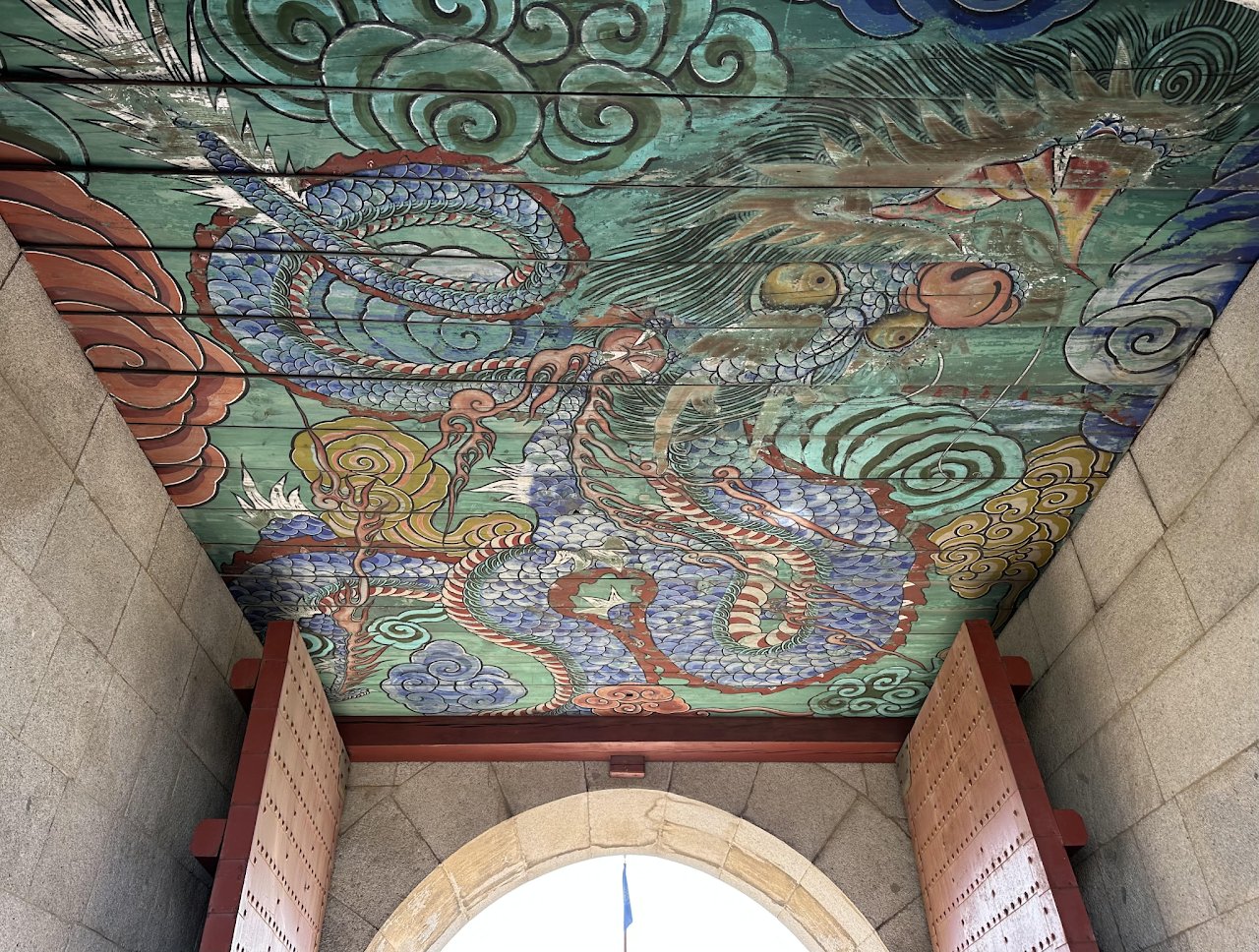
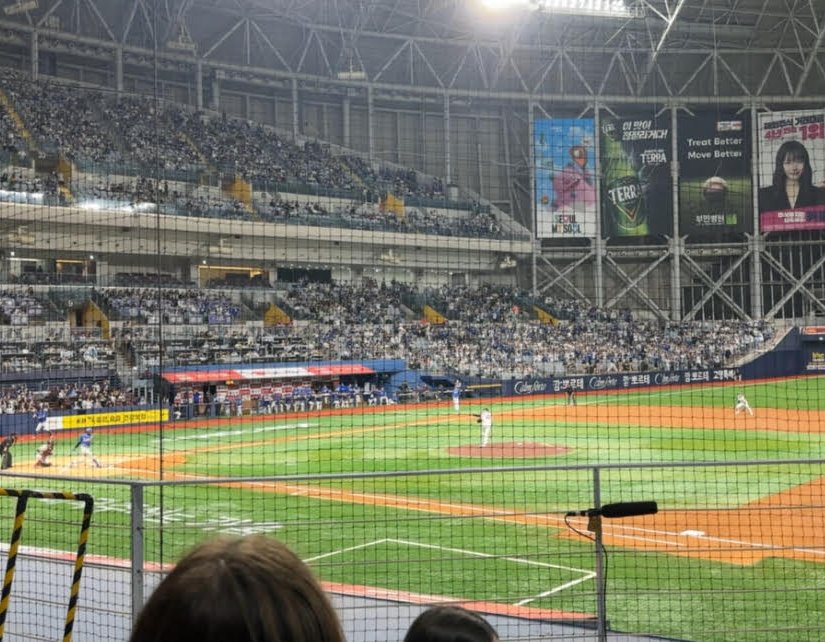
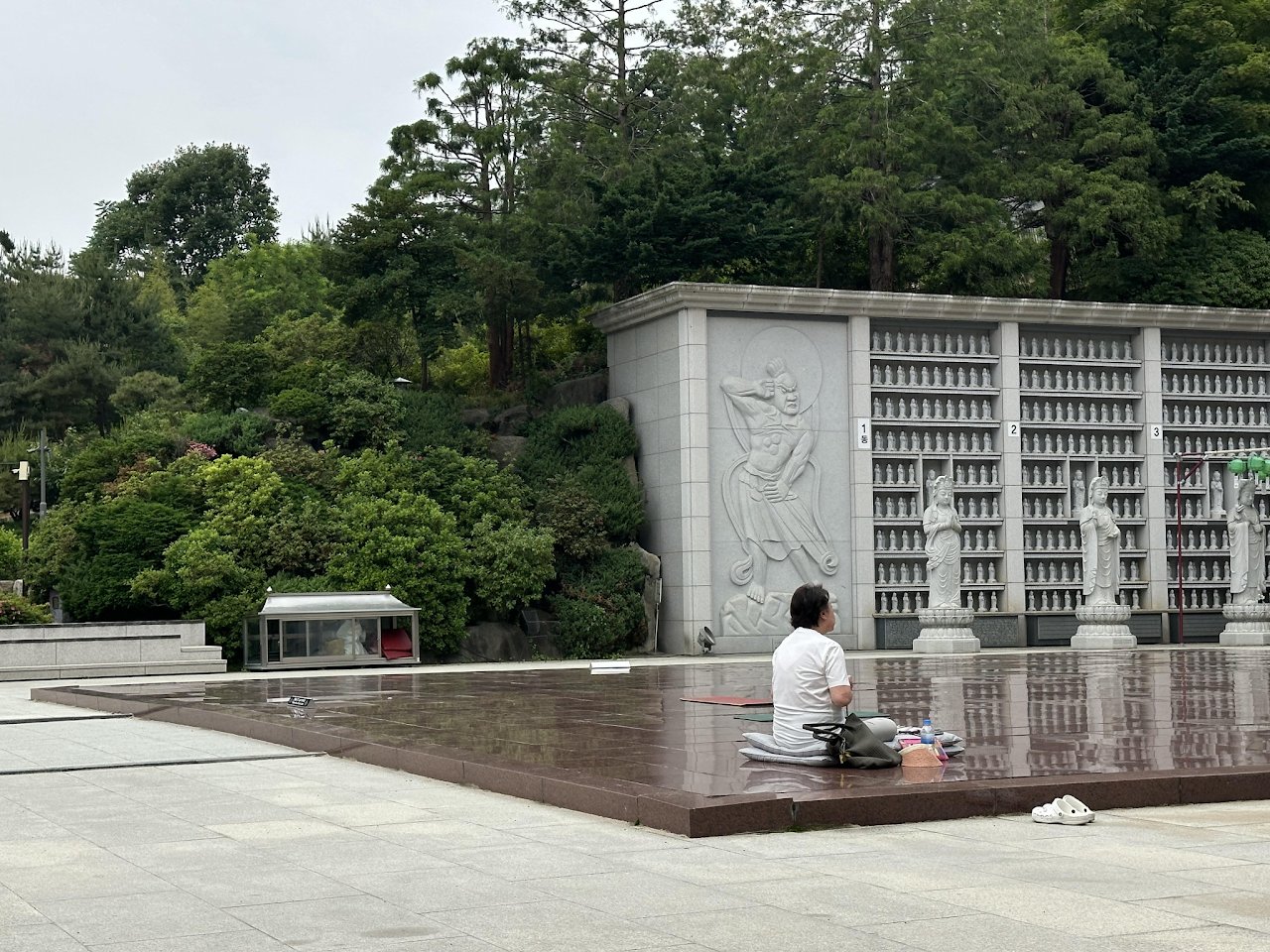
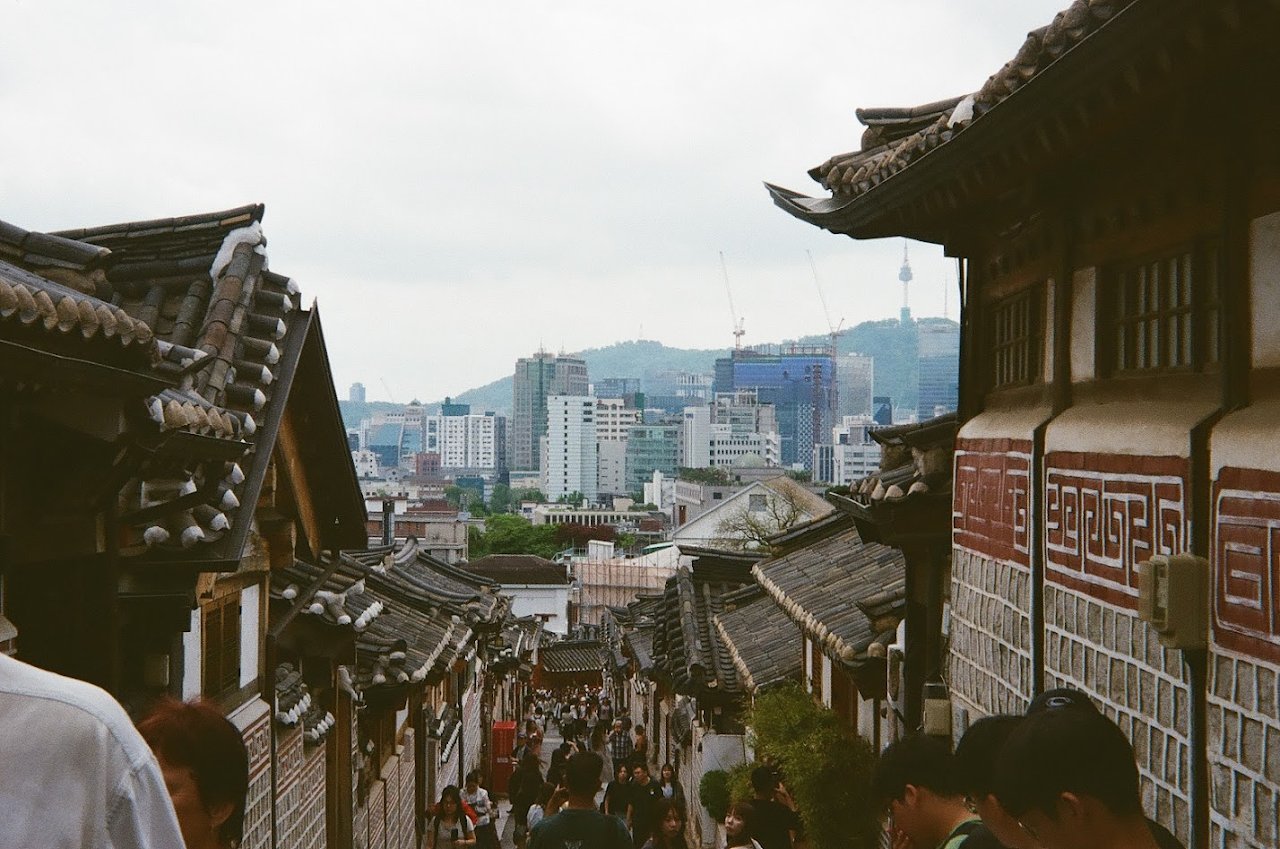
Very quickly after arriving at Incheon Airport, I learned that Korea is a place where history and modern life blend effortlessly. I could be walking through busy streets filled with cafés and shops, then turn a corner and suddenly find myself standing in a quiet temple courtyard. That mix made the city feel both energetic and grounded, and I loved seeing how naturally tradition fits into everyday life.
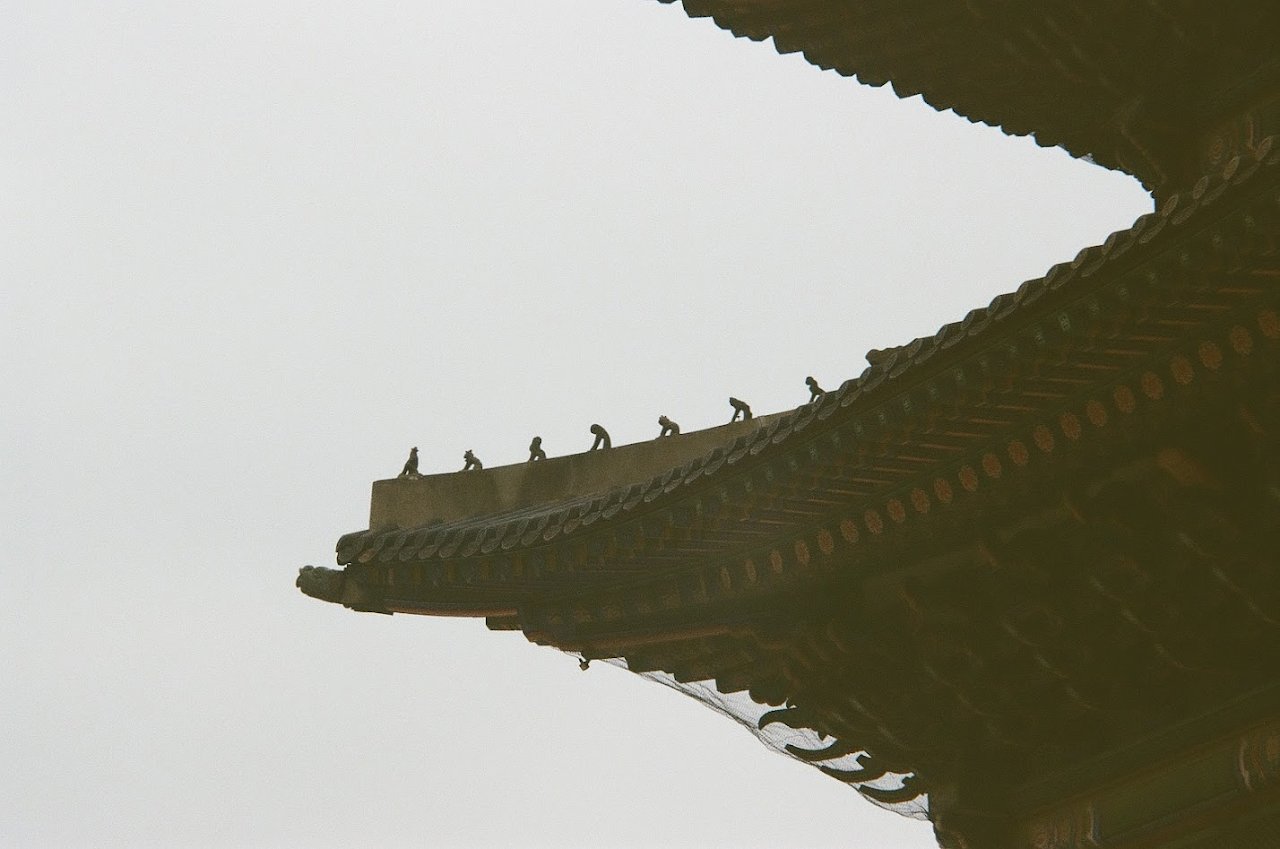
I also became obsessed with the japsang animals. These small guardian creatures perched on temple and palace rooftops all around. Learning that they're meant to protect the buildings and the people inside made those sites feel a little more personal to me. Once I noticed them, I kept spotting them everywhere, and it felt like I had these tiny stone "friends" looking out for me throughout the trip.
Another thing I appreciated was the sense of community built into daily life. Whether I was exploring markets or navigating public transportation, I always felt comfortable. Even without speaking or reading Korean, the subway was so intuitive that I could get anywhere during our free evenings. I loved how accessible everything was and how people moved with an awareness that made the city feel welcoming.
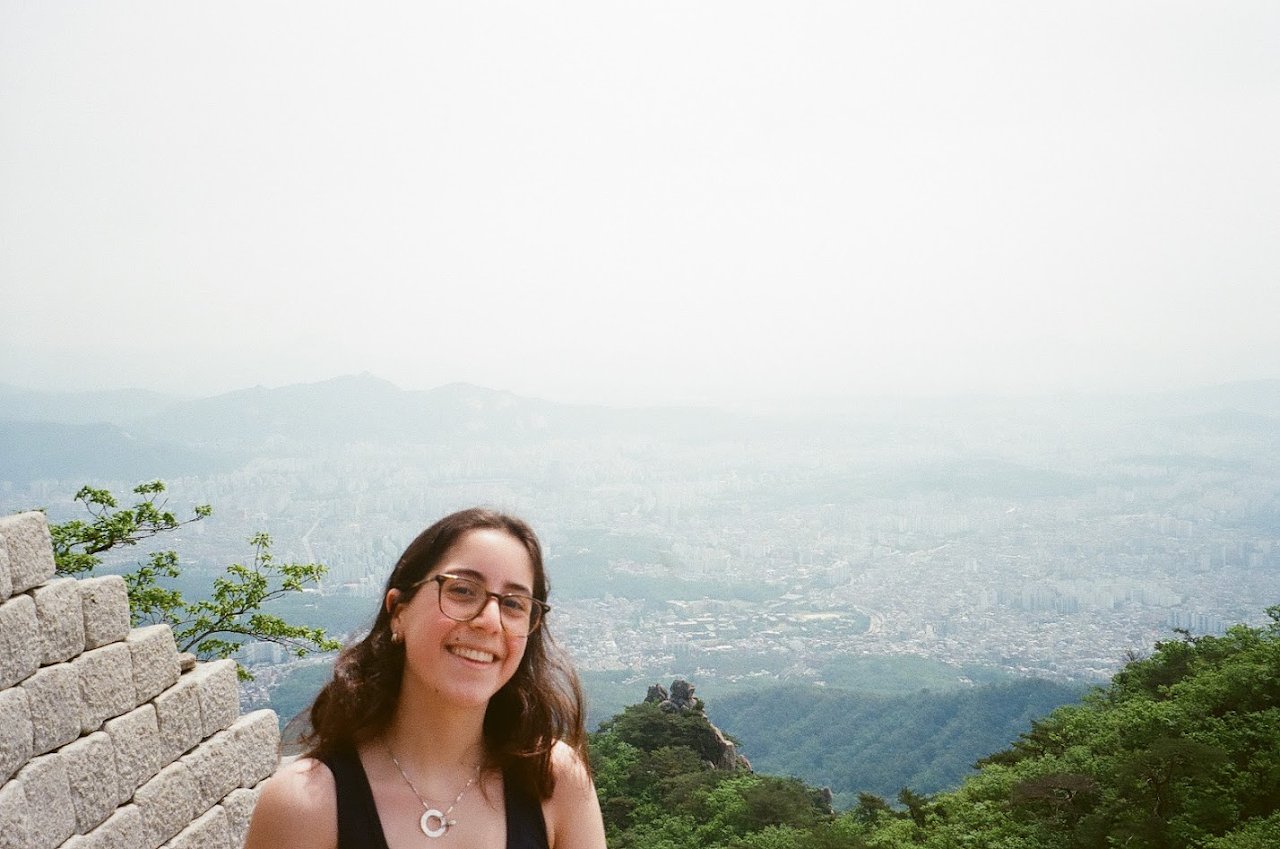
And one of my favorite experiences came at the end of the trip: hiking Bukhansan. A few friends and I woke up at 6:30 a.m., traveled out to the park, and climbed what felt like endless stairs... But when we reached the top, the entire city stretched out beneath me. Seeing Seoul from that height made the whole place feel both massive and incredibly small. Standing there with everyone who made the same climb gave me a new appreciation for the balance of nature, culture, and community that makes Korea so special.
Final Group Project: MinBin!
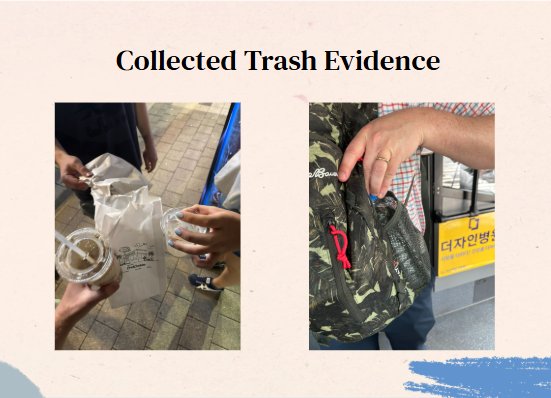
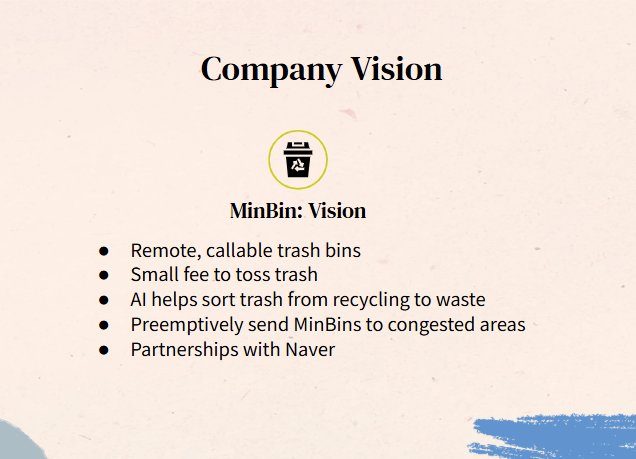
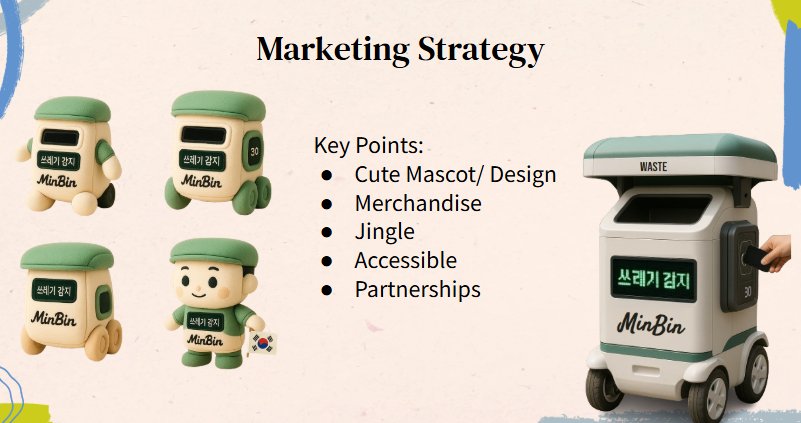
For our final Plus3 project, my group developed MinBin, a smart, app-callable trash bin designed to address a problem we experienced throughout Seoul: the noticeable shortage of public waste disposal options. Our research and personal observations, highlighted in our presentation through real quotes and examples of litter buildup, made it clear that this issue affected both residents and visitors. As the assigned group leader, I took responsibility for organizing our workflow, coordinating meeting times, and ensuring that each part of the project connected into a coherent and well-supported business and technology proposal.
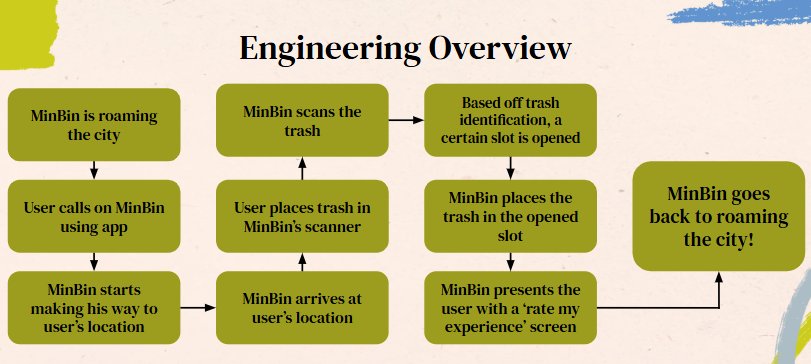
One of my primary contributions was leading the Technology section of the presentation. This included outlining how MinBin would navigate the city using a LiDAR system capable of real-time obstacle detection, describing the AI-based trash identification process that would sort waste into the proper internal compartment, and explaining our integration with NAVER Maps for live tracking and MinBin summoning. I also detailed how MinBin's adaptive "brain" would learn from user behavior to anticipate high-demand areas and deploy itself more efficiently over time. Translating these engineering concepts into a clear, accessible explanation required me to think critically about how technology, user needs, and urban infrastructure intersect.
Because our group included both engineering and business students, I also had the opportunity to practice explaining complex technical ideas in a clear and approachable way. Learning how to communicate these concepts to teammates unfamiliar with the technology strengthened my ability to translate engineering details into practical, understandable terms.
Leading this project pushed me to communicate effectively across disciplines, manage a diverse team, and take initiative when decisions needed to be made. It also allowed me to apply my engineering background to a real-world challenge that we witnessed daily during the program. MinBin was a collaborative effort that combined creativity, cultural understanding, and technical problem-solving. It remains one of the projects I am most proud of guiding!